
%20(1).png)
How to Build Your Artist Brand Without a Label
- Chris Arencibia

- 2 days ago
- 7 min read
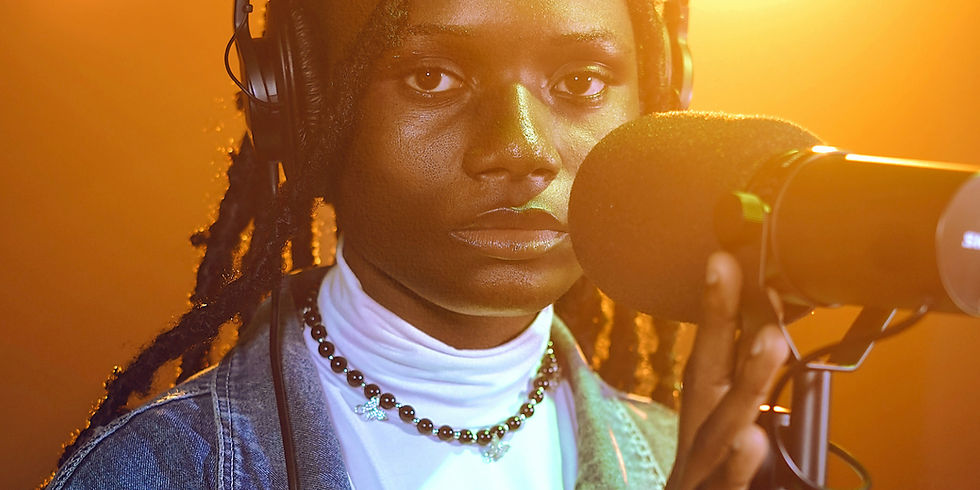
How to Build Your Artist Brand Without a Label
Building your artist brand does not mean you need to pretend to be more polished than you are. It means making it easier for people to understand who you are, what your music feels like, and why they should care enough to keep listening.
For independent artists, this matters now more than ever. Spotify reported that 12 million artists uploaded at least one track to the platform in 2024, up from 10 million the year before, which means every release is entering an incredibly crowded space.
You may not have a label team, a creative director, a publicist, or a marketing budget behind you. But you do have control over how you show up. Your music, visuals, captions, bio, live clips, release rollout, and fan interactions all help people understand your world — and in a space that is so crowded, a clear image is what gives listeners a reason to stop, care, and come back.
You don't want to look like everyone else. Your goal should be to make your music easier to recognize, remember, and share.
Here are our tips on how to start:
Start with the clearest version of who you are
Your brand is not just your logo, font, or cover art. Those things matter, but they are only part of it.
Your artist brand is the connection between:
Your sound
Your story
Your visuals
Your personality
Your audience
Your values
The feeling people get when they come across your music
A good place to start is by answering a few simple questions:
What does my music feel like?
What kind of moments does it fit into?
What do people usually connect with in my songs?
What artists, scenes, or communities does my audience already care about?
What parts of my personality naturally come through online?
What do I want people to remember after hearing one song or watching one video?
You do not need a perfect answer right away. Most artists figure this out by releasing, testing, posting, playing shows, and seeing what people respond to.
But you should be paying attention to what feels authentic and what resonates.
Know who you are trying to reach
One of the biggest mistakes artists make is trying to market to “everyone who likes good music.”
That is not a real audience.
A real audience sounds more like:
College students who love emotional indie pop and discovering artists early
Pop-punk fans who still go to local shows and follow scene pages
R&B listeners who care about mood, vocals, and late-night playlists
Bedroom pop fans who find music through TikTok edits, Spotify radio, and friend recommendations
Country fans who connect with honest songwriting, local pride, and live performance
You do not need to box yourself in, but you do need to understand where your listeners live, what they already care about, and how they discover music.
Use your actual data where you can. Spotify for Artists lets artists track performance and customize their profile with images, playlists, merch, and more. Once your music is live, you can use that information to understand which songs are connecting, where listeners are coming from, and what markets may be worth paying attention to.
Your social analytics matter too, but do not only look at views. Look at saves, shares, comments, profile visits, repeat engagement, and the posts that make people actually click through to your music.
Hard data is great, but some of the most valuable data comes from directly engaging with your fans. Take the time to understand who your current fans are, what makes them stick around, and build out an audience segment that looks like what is already working.
A viral clip is nice. A fan who sticks around is more valuable.
Make your artist profile look alive
Before you worry about advanced marketing, make sure your basic artist presence looks real.
That means:
A clear artist photo
A short, current bio
Updated links
Consistent handles where possible
A working website or Linktree-style page
Recent content that shows your music, personality, or live presence
A few strong visuals that match the world around your songs
This matters because every pitch sends people somewhere. If you submit to a blog, playlist, promoter, venue, or potential collaborator, there is a good chance they will click your profile before they respond.
If your song is strong but your online presence looks iffy, you are making the decision harder for them.
On Spotify, artists can manage profile elements like images, bio, Artist Pick, playlists, socials, merch, concerts, videos, visuals, and Countdown Pages. You do not need to use every feature immediately, but you should treat your profile like part of the release, not an afterthought.
Every part of your Spotify profile gives listeners more context, and that context matters. Features like your bio, Artist Pick, merch, concerts, Clips, Canvas, and Countdown Pages help turn your profile from a static catalog into a more built-out artist world. Spotify’s personalized recommendations are largely driven by listener behavior — what people stream, save, follow, share, engage with, and come back to — so the more reasons you give someone to engage, the more opportunities you create for Spotify to understand where your music fits and who it may connect with next.
Build around your music, not around trends
A lot of artists get stuck because they think branding means chasing whatever is working for someone else.
That is usually where things start to feel fake.
You can learn from trends, formats, and platform behavior, but your content should still lead people back to your music. The best artist content usually does one of a few things:
Shows the story behind a song
Gives people a reason to care about the lyrics
Captures a real live moment
Shows your personality without forcing it
Connects your song to a feeling, scene, or specific situation
Makes people feel like they found you early
The point is not to post more noise, it's to create more entry points into your music.
Think in release cycles, not random posts
If you are independent, your brand grows every time you release. That means every single should have some kind of plan behind it, even if it is simple.
A basic release plan could look like this:
Before release, introduce the song’s story, tease the strongest lyric, show the artwork, share a live or acoustic clip, pitch the song through Spotify for Artists, and give people a reason to pre-save or follow.
During release week, make the song impossible to miss across your own channels. Post the link, share the best reactions, explain what the song means, thank people directly, and create multiple pieces of content from the same core idea.
After release, do not disappear. Share alternate versions, live clips, fan posts, playlist adds, behind-the-scenes stories, and new angles that give people more reasons to discover the song.
For Spotify editorial consideration, artists can pitch an upcoming, unreleased song through Spotify for Artists. Spotify says pitching at least seven days before release can also help get the song added to followers’ Release Radar, and its own release guide recommends pitching at least two weeks before release to improve your chances.
Like I mentioned above, millions of artists are releasing music every year. To give yourself the very best chance at playlist consideration - pitch as early as you possibly can. The more time it spends in the system, the better your chances are that someone sees it.
That does not guarantee playlist placement, but it does mean planning ahead gives you more opportunities than uploading the song last minute.
Be careful with shortcuts
There are tools that can help independent artists: distributors, email platforms, design tools, pre-save tools, pitching platforms, analytics tools, and social schedulers.
Use them. Just do not confuse tools with strategy.
Paying to submit to playlist curators does not automatically mean the right people are hearing your song. Running ads does not fix unclear creative. Posting every day does not matter if none of the content gives people a reason to care.
Before spending money, ask yourself:
Does this help me reach the right listener?
Does this make my release easier to understand?
Does this create a real fan touchpoint?
Does this give me useful data?
Can I explain what success looks like before I pay for it?
A small artist with a clear message, consistent release plan, and real fan engagement is in a better position than an artist throwing money at random promo because they feel like they're falling behind.
Build your community before you need it
Your brand is not only what you post. It is also how people feel when they interact with you.
Reply to comments. Thank people for sharing. Remember the early supporters. Talk to artists in your scene. Show up for local shows. Collaborate when it makes sense. Build relationships with photographers, producers, playlist curators, writers, venues, and other artists because you actually respect what they do, not just because you need something.
The best audiences are usually built one real connection at a time.
That may not sound as exciting as a viral moment, but it is more sustainable. The artists who last are usually the ones who know how to turn attention into connection.
Treat your music like a business without losing the art
Being independent does not mean you need to become a full-time marketer who happens to make music. It means you should understand enough of the business to protect your work and make better decisions.
That includes knowing:
Who owns your masters
Who controls your artwork and visuals
How your royalties are collected
What your release dates are
Where your audience is growing
What content actually drives listeners
What your next step is after each release
This is where branding, distribution, and strategy connect. Your brand is not just how things look. It is how you build trust around your music over time.
The Skylyne Take
If you made it this far, congrats! You actually care about your music! Here are my final thoughts to wrap things up:
You do not need a label to start building a real artist brand. But you do need intention.
Start with the basics. Know what your music feels like. Understand who is responding. Make your profiles look alive. Plan your releases. Build real fan relationships. Use tools that support your goals instead of chasing every shortcut.
Skylyne exists for the artists still building — the ones who are hustling after their day jobs, playing tiny rooms, finding their first audience, and figuring it out as they go but always willing to learn and try new things.
A strong brand does not make your music better. It makes it easier for the right people to find it, understand it, and stay with you. You got this, and we're here to help.

